The website is currently under construction.
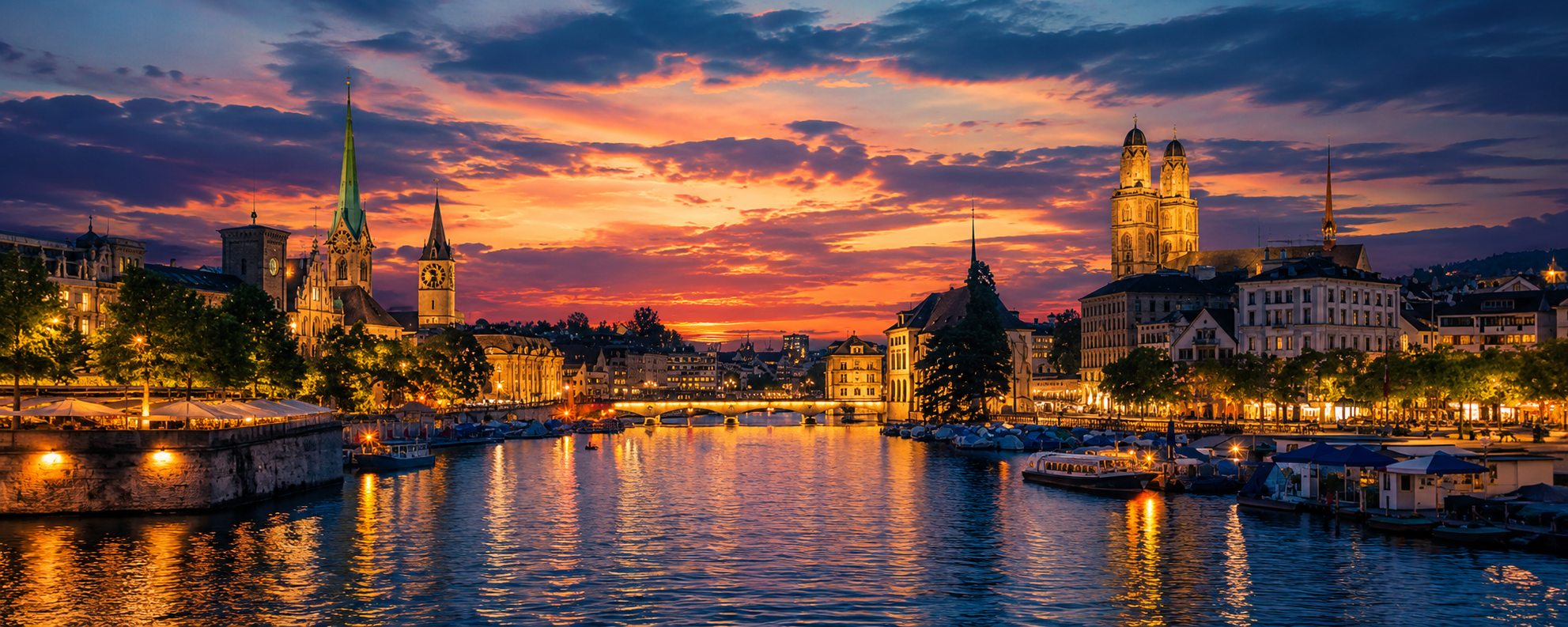
Welcome to the Zurich ZH site
This site is designed for those who live and work in the city and canton of Zurich, for those who love Zurich, enjoy traveling, and for creative individuals.
Useful Links
Sites
Profiles
Subdomains
Overview of Zurich
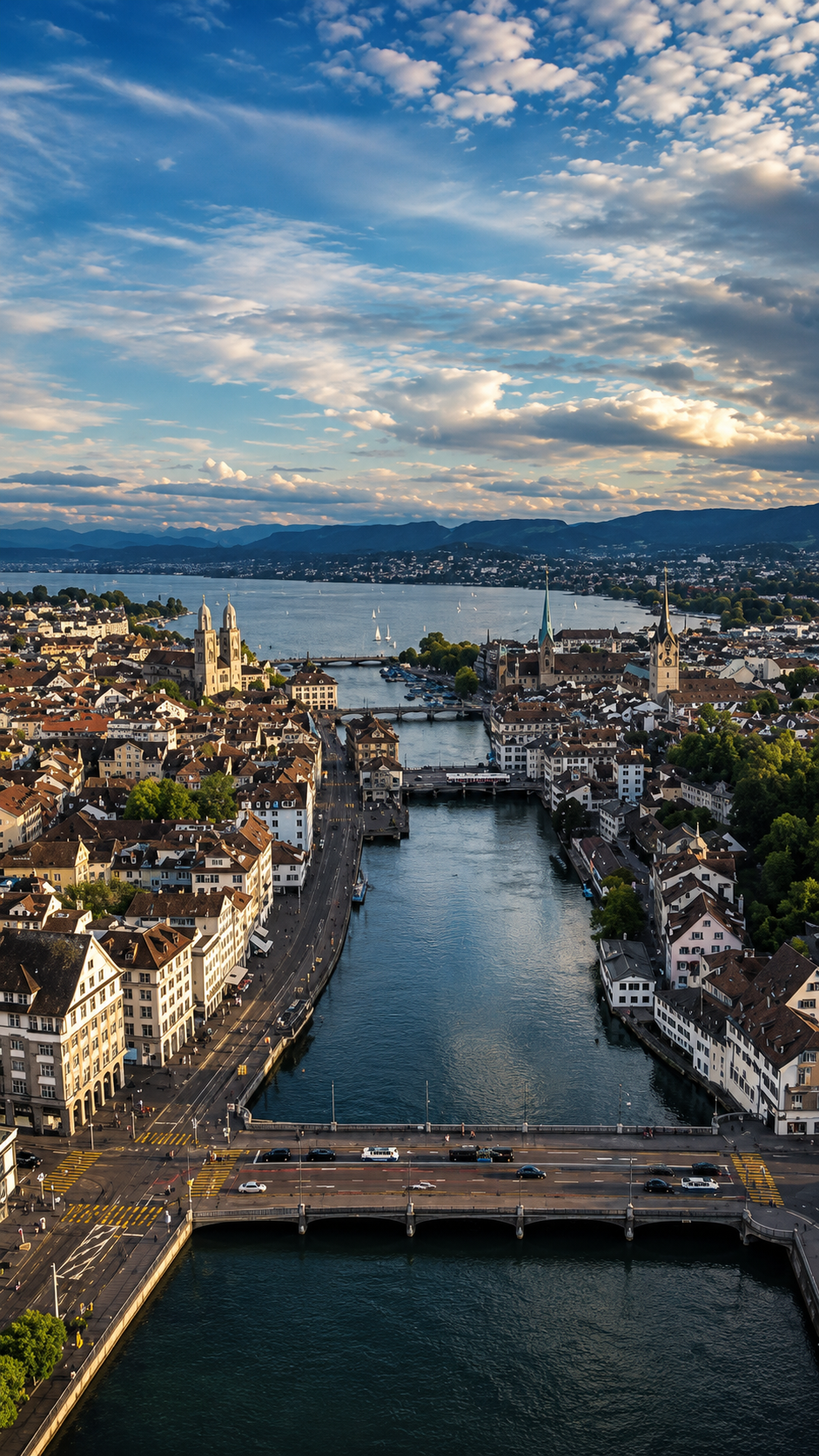
Zurich (German: Zürich) is the largest city in Switzerland and the capital of the canton of Zurich. Located in north-central Switzerland at the northwestern end of Lake Zurich, the city is the country’s leading centre for finance, transportation, science, and culture. At the end of 2024, Zurich had a municipal population of approximately 436,551, while the metropolitan region included about 2.1 million inhabitants. The city is a major transport hub, with Zurich Airport and Zurich Main Railway Station among the busiest facilities in Switzerland.
Early History and Roman Origins
Archaeological evidence indicates human activity around Zurich for more than 6,400 years. Neolithic and Bronze Age settlements developed near Lake Zurich, and Celtic communities later occupied the area around Lindenhof hill. During the Roman expansion into the Alpine region in 15 BC, the Romans established a settlement known as Turicum. It functioned as a customs station controlling trade along the River Limmat and later developed into an important local settlement.
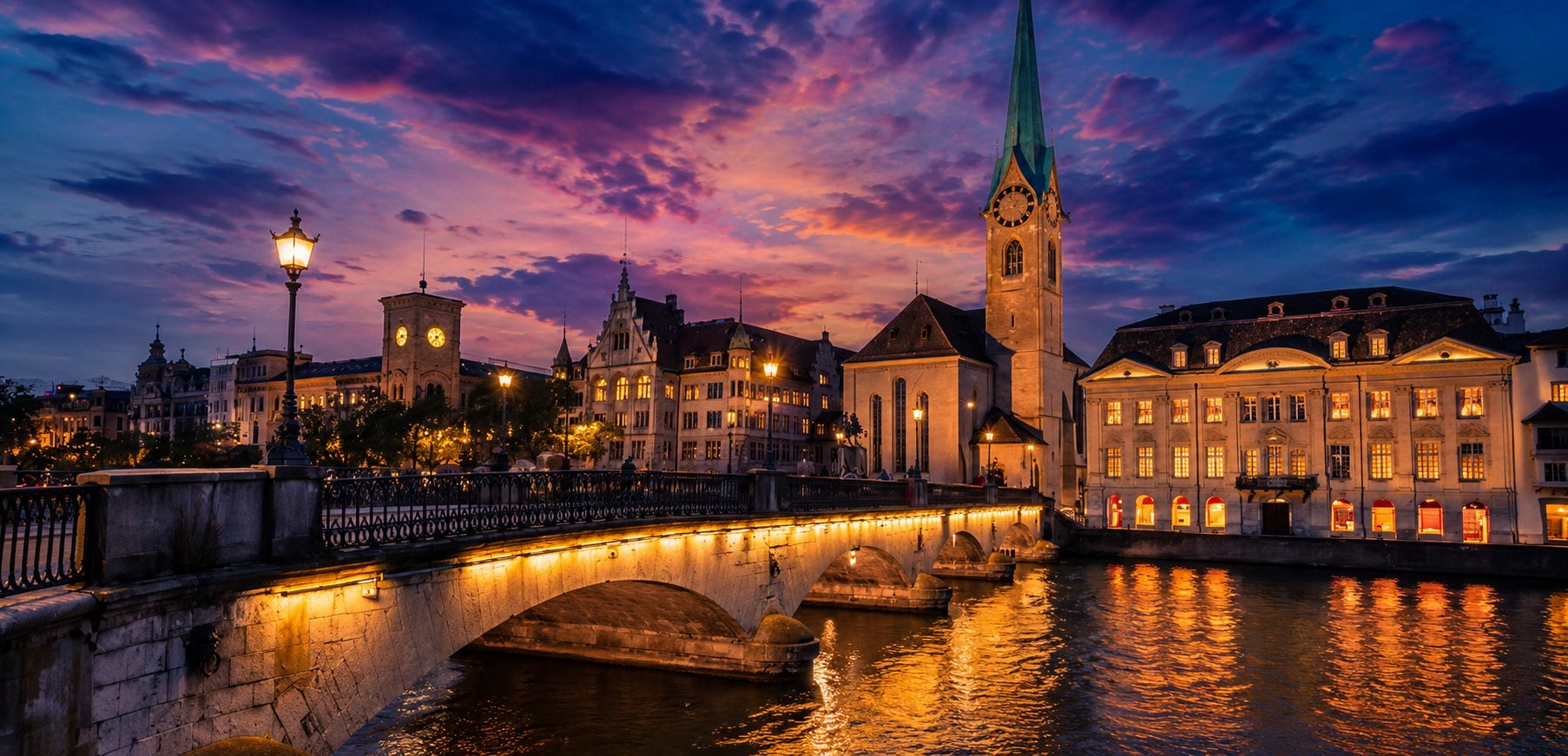
After the decline of Roman authority, the Alemanni settled in the Swiss Plateau. The region continued to develop under Carolingian rule, and Zurich gained religious and political importance through institutions such as the Fraumünster Abbey, founded in the 9th century. In the Middle Ages, the city achieved imperial immediacy, becoming a self-governing imperial city within the Holy Roman Empire.
Medieval Development and Political Growth
During the 13th and 14th centuries, Zurich expanded economically and politically. The construction of city walls, the growth of trade, and the development of guild organizations strengthened urban independence. The Manesse Codex, a major medieval collection of German poetry created in Zurich between 1304 and 1340, reflects the city’s increasing wealth and cultural importance.
Zurich became a member of the Old Swiss Confederacy in 1351. Although conflicts such as the Old Zurich War temporarily disrupted relations with other confederate territories, the city regained its position and later became an influential political centre. From 1468 to 1519, Zurich held a leading role in the administration of the Confederacy.
The Reformation and Early Modern Period
In 1519, the religious reformer Huldrych Zwingli initiated the Swiss Reformation in Zurich while serving as a preacher at Grossmünster. His reforms transformed religious practices, government structures, and social life in the city. The movement influenced other Swiss regions and contributed to long-lasting religious divisions within the Confederation.
During the 17th century, Zurich strengthened its defensive infrastructure by constructing new fortifications. In 1648, the city declared itself a republic, reflecting its political independence. However, the traditional ruling elite gradually lost power following the political changes of the late 18th and early 19th centuries.
Modern Industrial and Urban Development
The political transformation of Switzerland in the 19th century accelerated Zurich’s growth. Industrialization, migration from rural areas, and the expansion of transportation networks increased the city’s population and economic importance. The opening of the Spanisch-Brötli-Bahn railway in 1847 connected Zurich with Baden and marked the beginning of the Swiss railway system.
The development of Bahnhofstrasse, the establishment of the Zurich Stock Exchange in 1877, and the construction of the lakefront area transformed Zurich from a medieval town into a modern urban centre. The incorporation of surrounding districts in 1893 and 1934 further expanded the city’s territory and population.
Economic and Cultural Significance
Today, Zurich is one of Switzerland’s primary financial centres and hosts numerous banks, insurance companies, and international institutions. The city also plays an important role in education, research, and cultural activities. Major institutions include the Swiss National Museum, the Natural History Museum, Kunsthaus Zurich, and Schauspielhaus Zürich, one of the most recognized theatres in the German-speaking world.
Language and Name Development
Origins of the Name Zurich
The modern English name Zurich is derived from the German Zürich. The earliest known form, Turicum, appears in a Roman inscription from the 2nd century AD. The name is believed to originate from a Gaulish personal name, possibly Tūros, suggesting the meaning “place associated with Tūros.”
Historical forms of the name include Ziurichi from the 7th century and the Old High German forms Zuri(c)h. Over time, the pronunciation and spelling developed into modern Zürich. In the local dialect, the city is commonly called Züri. Related forms appear in French as Zurich, Italian as Zurigo, and Romansh as Turitg.
Social and Historical Transformation
In the 19th and 20th centuries, Zurich experienced major demographic and social changes. Industrial growth encouraged migration and urban expansion, while reforms gradually increased political participation among residents. During the 20th century, the city also faced social challenges, including the drug crisis of the 1980s. Zurich later became internationally known for its harm reduction policies, including supervised facilities and public health measures that reduced drug-related harm.
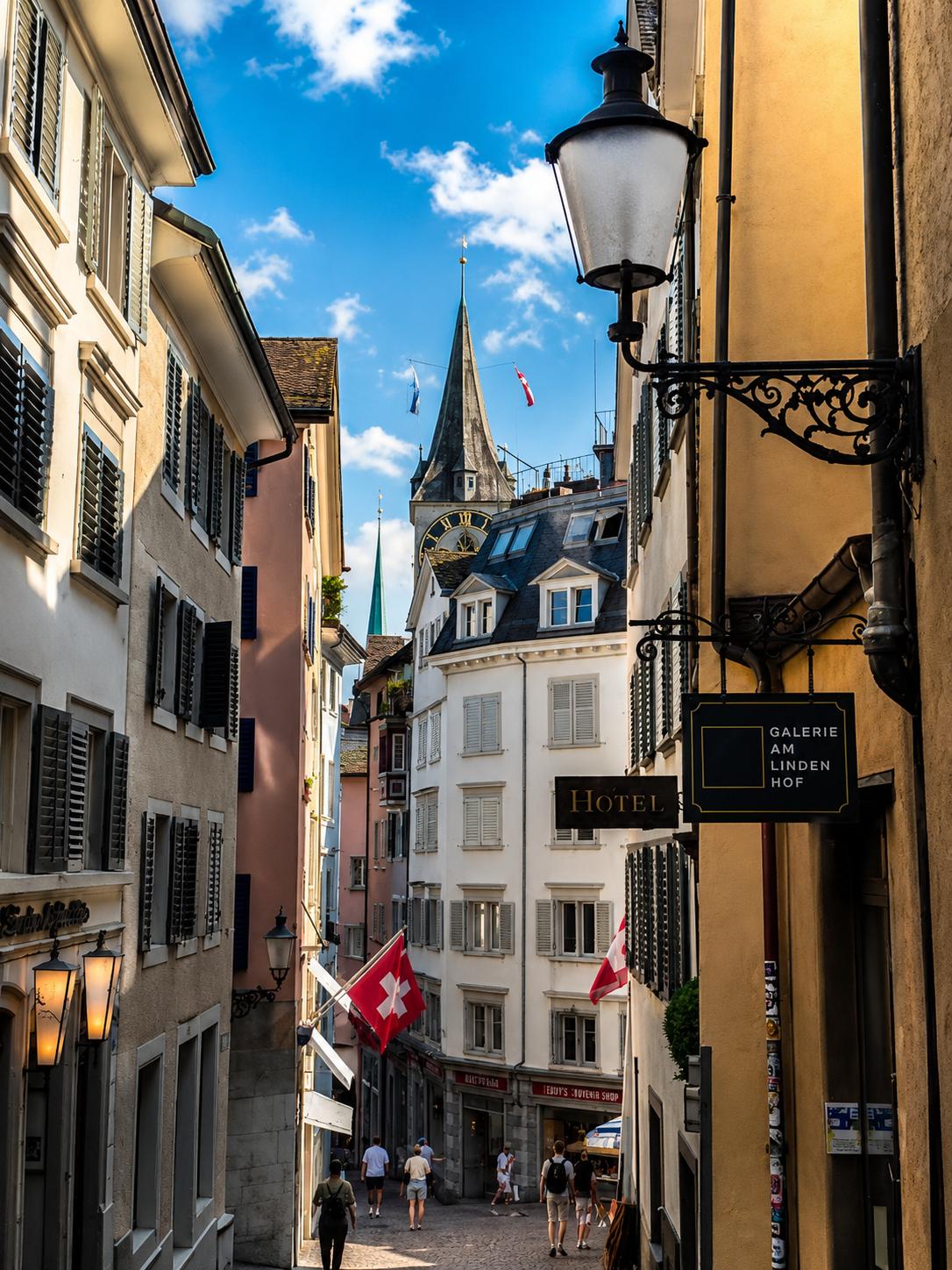
Today, Zurich represents a combination of historical continuity and modern innovation, maintaining its role as a global financial centre while preserving a rich cultural and architectural heritage.